Finding Homes Before They Hit the Market
Off-market buying is real, but it isn't a secret list. It is outreach, timing and being genuinely ready when an owner decides to sell.
Published 2/18/2026 · Updated 9/1/2026
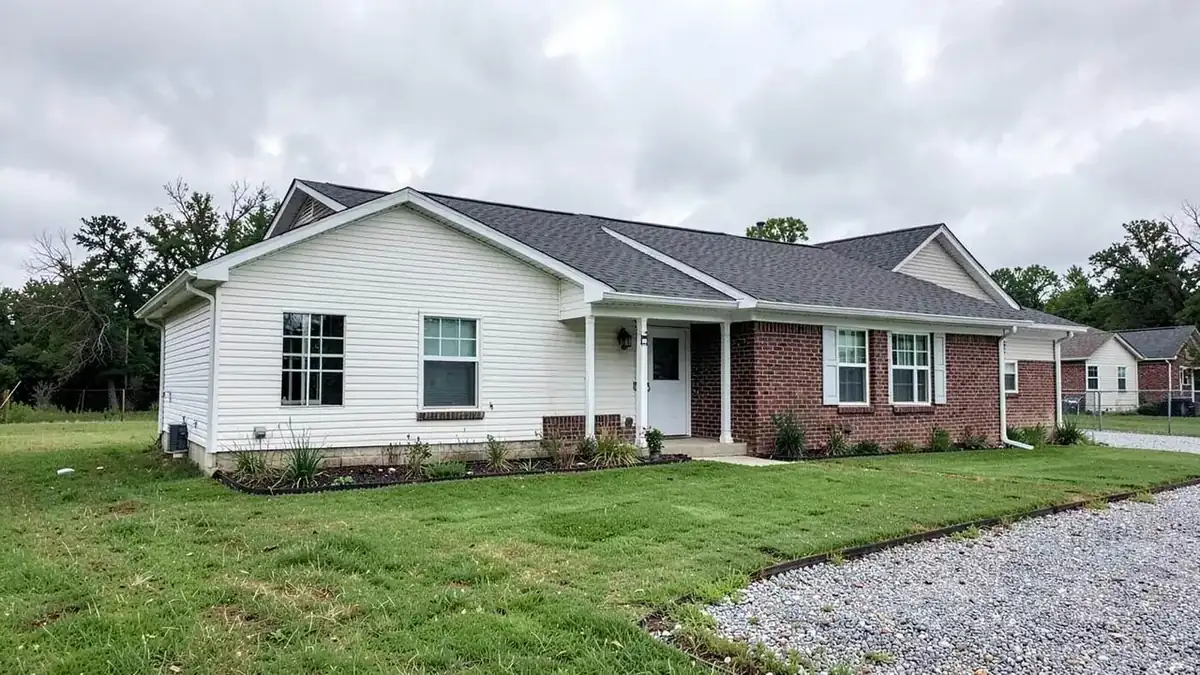
What off-market means
It covers a few different things: property an owner is willing to sell but hasn't listed, property being quietly marketed before it goes public, and property whose owner hasn't decided yet. Only the first two are actually buyable today.
How it actually happens
Direct owner outreach in defined areas, relationships with agents who know which listings are coming, estate and probate situations where the family wants a private sale, and landlords who are tired but haven't done anything about it yet. There's no database that replaces this work.
What a buyer has to bring
Specificity and readiness. A defined criteria set — area, property type, condition tolerance, price ceiling, timeline — plus proof you can perform. Owners approached privately have no incentive to entertain a vague buyer.
The honest limits
Off-market takes longer and yields fewer options than the open market. It's most useful when you want something specific that rarely lists, or when you're buying at volume. It is not a shortcut to below-market pricing on demand.
Questions people ask
Do off-market homes sell cheaper?
Not by default. Sometimes an owner trades price for privacy and speed; sometimes an unlisted seller wants more than the market would pay.
Can you find a specific type of property for me?
That's the intent of a sourcing request: you define the criteria, and outreach is done against it. Nothing is promised to be available.
Tell Us What You're Looking For
Describe the property you want sourced.
Tell Us What You're Looking For