Land Near Tupelo: How to Evaluate a Tract
Land is priced on what you can do with it. This is the diligence order that answers that question before you spend money on a survey.
Published 3/4/2026 · Updated 9/1/2026
Access first
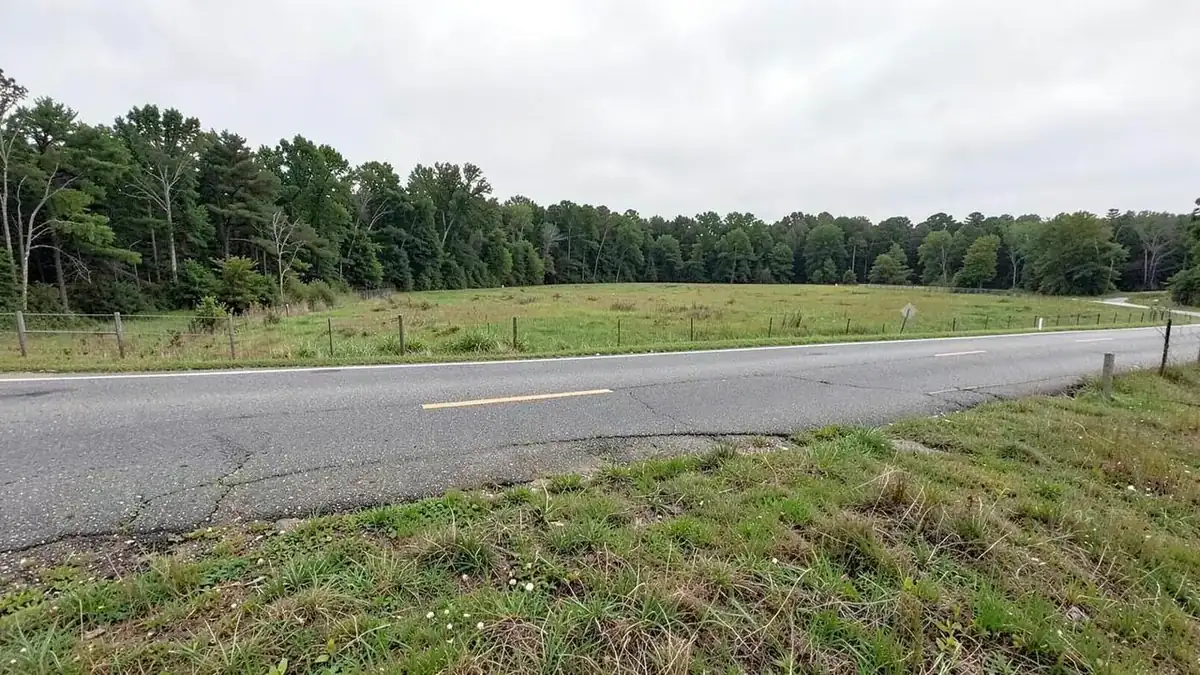
Legal, physical access to a public road is the first question, not the last. Deeded frontage is straightforward. Access by easement needs to be recorded, described accurately, and wide enough for the use you intend. Landlocked acreage is worth substantially less and is harder to finance.
Frontage and shape
Road frontage drives value for residential and commercial use, since it determines how many lots or entrances a tract can support. Depth without frontage is worth less per acre. Odd shapes, long narrow strips and interior remnants all trade at discounts for a reason.
Utilities
Find out where the nearest water line, power and — if relevant — sewer actually are, and what the extension cost would be. This single item separates a buildable tract from a long-term hold more often than anything else.
Soils, drainage and floodplain
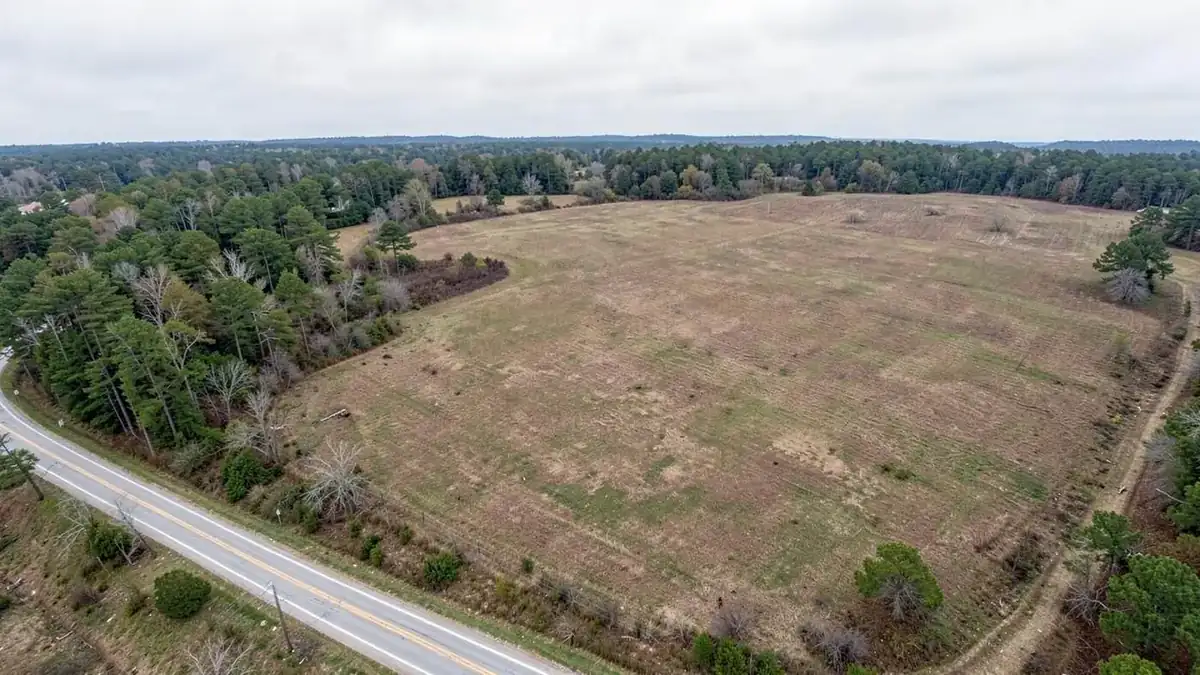
Soil suitability governs septic feasibility where sewer isn't available. Wet-weather drainage, creeks and mapped floodplain reduce usable acreage. Walk it after rain if you can; that's when problems are visible.
Timber, minerals and title
Standing timber can be a meaningful component of value on wooded tracts — see timberland in North Mississippi. Confirm what mineral interests convey. Order title work early: rural North Mississippi tracts often carry old family deeds, gaps in the chain and unrecorded agreements.
Questions people ask
Is land harder to finance than a house?
Generally yes. Land loans usually require larger down payments and shorter terms than residential mortgages.
Do I need a survey?
For anything you intend to build on, subdivide or fence, yes. Old deed descriptions in this region frequently disagree with what's on the ground.
Discuss a Land Requirement
Tell us the acreage, use and area you're working in.
Discuss a Land Requirement