Timberland in North Mississippi
A timber tract has two values stacked on each other: the timber standing on it and the land under it. Buyers and sellers get in trouble by conflating them.
Published 3/12/2026 · Updated 9/1/2026
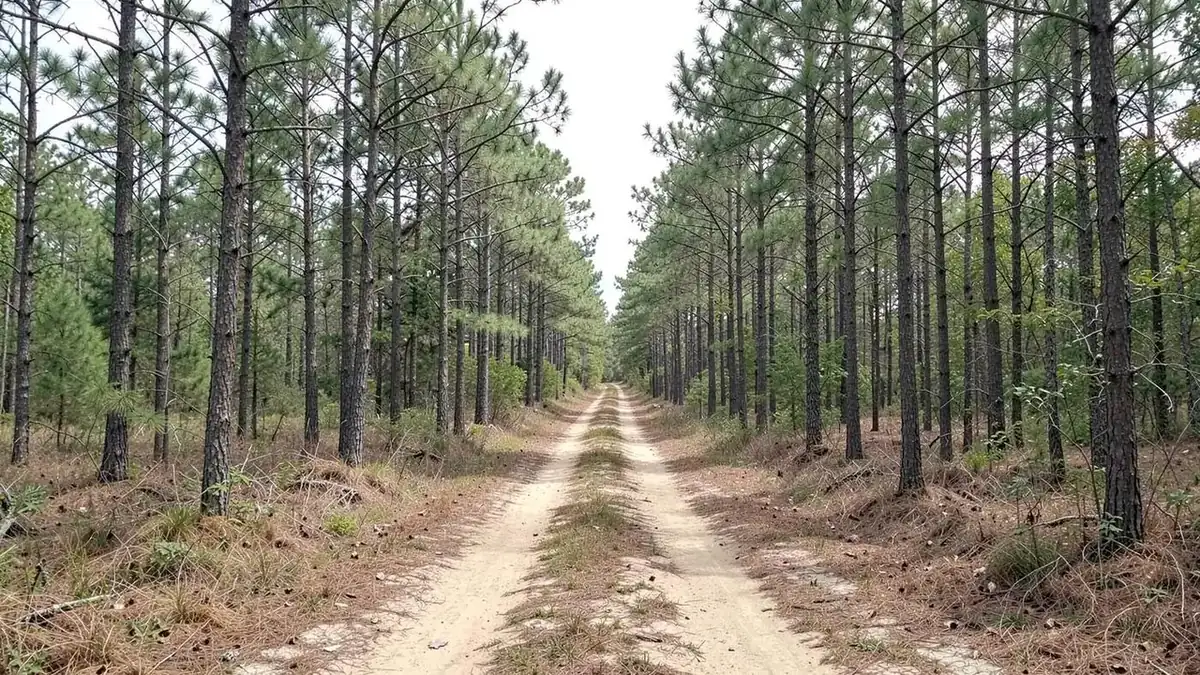
Two values in one tract
The timber component depends on species, stand age, stocking, and how close the tract is to mills and markets. The land component depends on access, frontage, soils and what else the ground could be used for once harvested. A pine plantation five years from rotation and a recently clear-cut tract of the same acreage are very different assets.
Cruises and inventory
A timber cruise by a forester estimates volume and product classes. It is the basis for any serious negotiation. Buying or selling on a per-acre guess is how both sides end up unhappy, and a cruise costs a fraction of the difference it usually reveals.
Access and logging economics
Haul distance, road condition, stream crossings and whether a set can be established on the tract all affect what a timber buyer will pay. Poor access can turn otherwise good volume into a marginal harvest.
Deeds, leases and reservations
Check for existing timber deeds, hunting leases, right-of-way agreements and mineral reservations. On family land in this region, verbal arrangements are common and need to be converted into written facts before closing.
Specialized help
For timber-specific acquisition work, TimberAcquisitions.com is a related resource focused on timber and rural tract sourcing. Residential and development questions stay on this site.
Questions people ask
Should I harvest before selling the land?
Sometimes yes, sometimes no. A mature stand sold standing may bring more than a harvested tract, depending on markets and the buyer pool. A forester's opinion is worth getting first.
Does a cruise expire?
It becomes less reliable over time as the stand grows and markets shift. Buyers usually want recent inventory.
Discuss a Timber Property
Tract size, county and objective are enough to start.
Discuss a Timber Property