Large Acreage Tracts in North Mississippi
Above a certain size, tracts stop competing with homesites and start competing with investment alternatives. The buyer pool and the math both change.
Published 3/4/2026 · Updated 9/1/2026
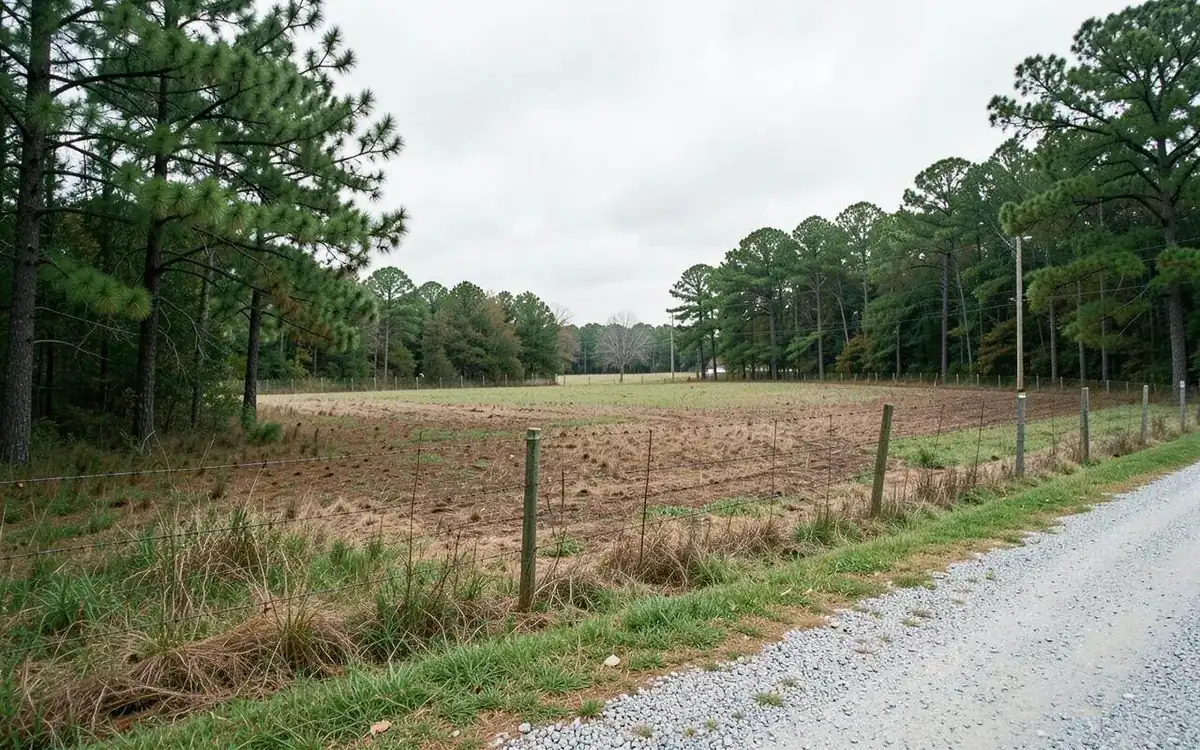
Who buys large tracts
Timber investors, farming operations, recreational buyers, conservation-minded families, and developers where growth corridors reach. Each values a different component: standing timber, tillable acres, habitat and access, or entitlement potential.
Valuing the parts
A large tract is usually a sum of parts: open ground, merchantable timber, pre-merchantable stands, road-front acreage, and any improvements. Valuing it as a single per-acre number leaves money on the table in either direction.
Sell whole or split
Splitting road-front acreage from the interior can raise total proceeds, but it takes survey work, access planning and time — and it can reduce the appeal of the remainder to a single large buyer. Model both before committing.
Diligence at scale
Boundary uncertainty, old easements, mineral reservations, hunting leases and timber deeds are common on tracts that have been in a family for decades. Resolve them before marketing, not during closing.
Questions people ask
Should I get a timber cruise before selling?
On a wooded tract, a current cruise gives you and the buyer a defensible number instead of an argument.
Do hunting leases transfer?
Existing leases may survive a sale depending on their terms. Have them reviewed before you contract.
Discuss a Land Requirement
Tell us the acreage, use and area you're working in.
Discuss a Land Requirement