Tupelo · Lee County
Tupelo Neighborhoods and Areas: How Locals Describe the City
Tupelo isn't organized around a tidy list of subdivision names. People navigate by corridors and sides of town, and property values follow that logic.
Published 4/15/2026 · Updated 9/1/2026
Corridors, not neighborhoods
Locally, location is usually described by corridor or side of town: North Gloster and South Gloster, West Main, Thomas Street, Veterans Boulevard, McCullough Boulevard, the Barnes Crossing area, Coley Road, and the east side across the highway. These are the reference points that show up in conversation and in listing remarks.
Why the distinction matters for value
Two houses of the same size and age can be priced differently based on which side of town they're on, the street's traffic level, and how close they sit to a commercial corridor. Being adjacent to a busy artery affects both appeal and buyer pool.
In-town versus edge-of-city
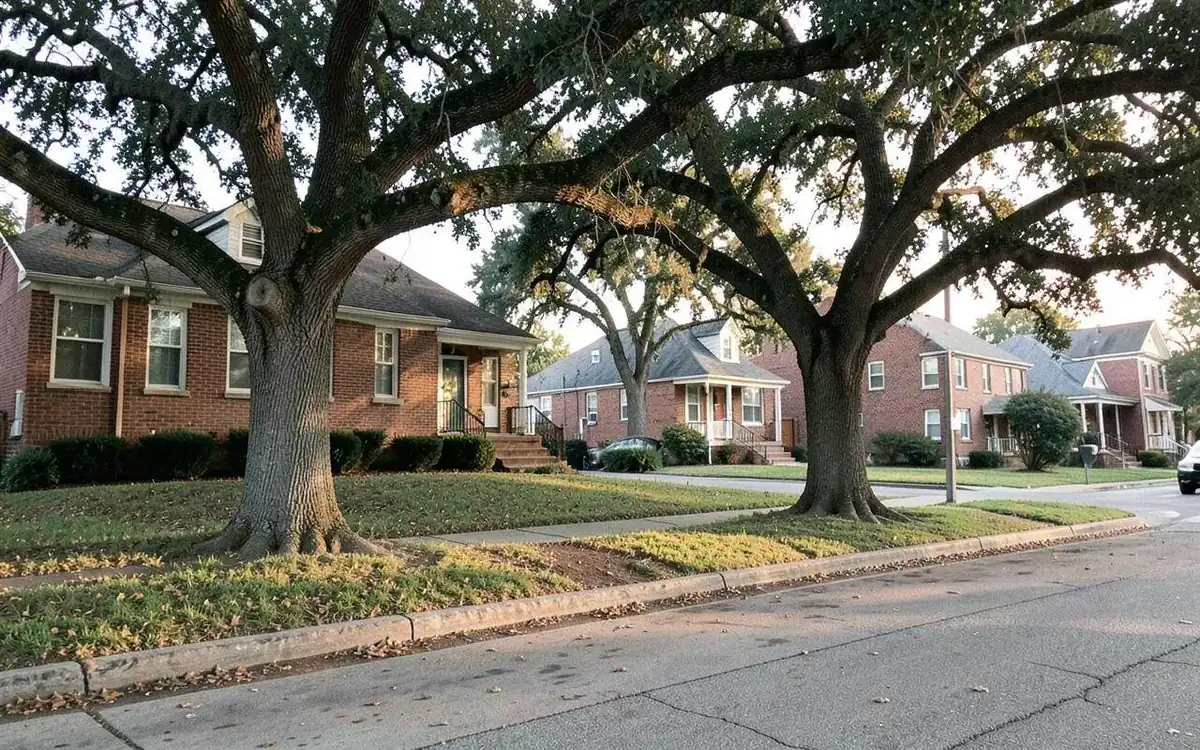
In-town properties tend to be older with established landscaping, city services and smaller lots. Areas near the city's outer boundary and just beyond it carry newer construction, larger lots and different service arrangements.
Verify before you assume
School attendance zones, city limits and utility service areas do not follow the informal names people use. Confirm the specific address with the district and the city or county rather than relying on an area label.
Questions people ask
Which part of Tupelo has the newest homes?
Newer construction is generally concentrated toward the outer edges of the city and out into Lee County rather than in the older core.
Does a neighborhood name determine schools?
No. Attendance is determined by the district for the specific address.
Request a Property Review
Tell us about the property and what you need to happen.
Request a Property Review